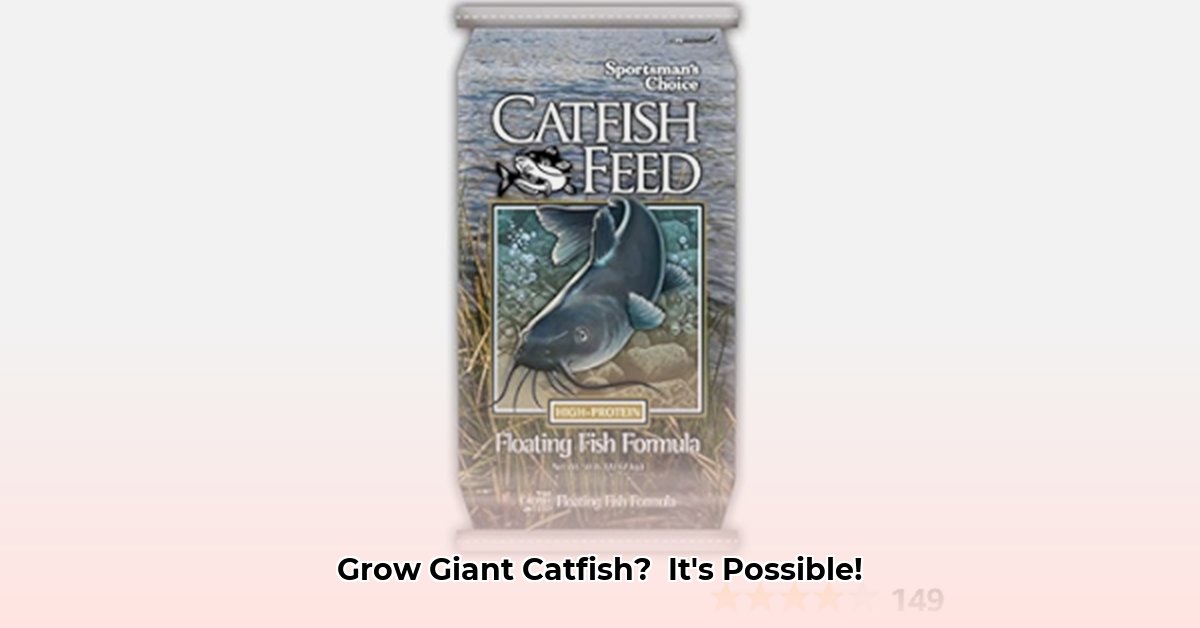
Raising healthy, thriving catfish can be a rewarding experience. This comprehensive guide will show you how to maximize the benefits of Tractor Supply catfish food to achieve optimal growth and pond health. We’ll cover everything from understanding the food's composition to troubleshooting common issues and implementing best practices for catfish care. For other livestock feed needs, check out Tractor Supply's other options.
Understanding Tractor Supply Catfish Food
Tractor Supply offers various catfish feeds designed to meet the specific nutritional needs of your fish at different life stages. These aren't simple fish flakes; they're complete meals formulated with a balanced blend of protein, vitamins, and minerals essential for robust growth and a strong immune system. While the precise ingredient mix varies by product, you can generally expect high-quality protein sources (like fish meal) and essential nutrients. Choosing the right formula for your catfish's size and species is crucial for optimal results.
Did you know that a well-balanced diet can significantly impact catfish growth rates? Providing your fish with the proper nutrition directly translates to faster growth and a healthier fish population.
Feeding Your Catfish: A Step-by-Step Guide
Proper feeding is key to raising healthy catfish. Overfeeding leads to poor water quality and disease, while underfeeding restricts growth. Let's break it down into manageable steps:
- Assess Your Catfish: Determine the number and average size of your catfish. Smaller fish require smaller portions than larger ones.
- Consider Water Temperature: Catfish metabolism slows in colder water, requiring less food. Increase feed amounts as water temperatures rise.
- Follow Package Instructions: Carefully adhere to the feeding recommendations on the Tractor Supply catfish food packaging. These guidelines consider fish size and quantity.
- Observe and Adjust: After feeding, monitor your catfish. Any uneaten food after 10 minutes indicates overfeeding. Reduce the next feeding amount accordingly. If food disappears rapidly, a slight increase might be warranted.
- Maintain Consistency: Establish a regular feeding schedule, ideally at the same time each day, to promote a consistent feeding routine for your catfish.
- Prioritize Water Quality: Clean water is paramount. Perform partial water changes every week or two, adjusting frequency based on pond size and catfish population.
Tractor Supply Catfish Food: A Balanced Perspective
While Tractor Supply catfish food offers significant advantages, it's essential to consider both its benefits and potential downsides.
Pros:
- Complete Nutrition: Provides a balanced diet crucial for healthy growth.
- Cost-Effective: Generally offers excellent value when purchased in bulk.
- Wide Availability: Easily accessible at most Tractor Supply stores.
- Promotes Growth: When used correctly, it fosters robust growth and maximizes your catfish's potential.
Cons:
- Formulation Variations: Different formulations cater to various species and life stages; choose the appropriate one.
- Storage Requirements: Store in a cool, dry place away from direct sunlight and moisture to maintain quality.
- Overfeeding Risk: Requires careful monitoring to prevent water quality issues from excessive feeding.
Troubleshooting Common Challenges
Even with the best practices, problems can arise. Let’s address some common feeding-related issues:
- Slow Growth: This could stem from underfeeding, poor water quality, or disease. Evaluate your feeding strategy, and check water parameters (temperature, oxygen levels, ammonia, nitrates).
- Disease Outbreaks: Often linked to poor water quality which can result from overfeeding. Maintain cleanliness, provide proper water conditions, and seek veterinary advice if needed.
- Poor Water Quality: Cloudy or foul-smelling water usually points to overfeeding or inadequate filtration. Reduce feeding, increase water changes, and/or upgrade your filtration system.
Beyond the Basics: Advanced Catfish Care
Beyond proper feeding, optimal catfish care encompasses several other crucial aspects:
- Supplemental Feeding: Consider incorporating live food (worms, insects) to diversify your catfish's diet and provide additional nutrients.
- Pond Maintenance: Regularly remove debris, control algae growth, and ensure adequate oxygen levels.
- Parasite Prevention: Observe your catfish for signs of parasites, and take preventive measures as necessary.
- Water Quality Monitoring: Regular water testing is crucial to monitor key parameters (pH, ammonia, nitrite, nitrate).
By understanding the nutritional needs of your catfish and following this guide, you'll be well-equipped to achieve healthy and rapid growth, leading to a successful and rewarding catfish farming experience. Remember that continuous learning and adaptation are vital for optimizing your catfish farming practices.